
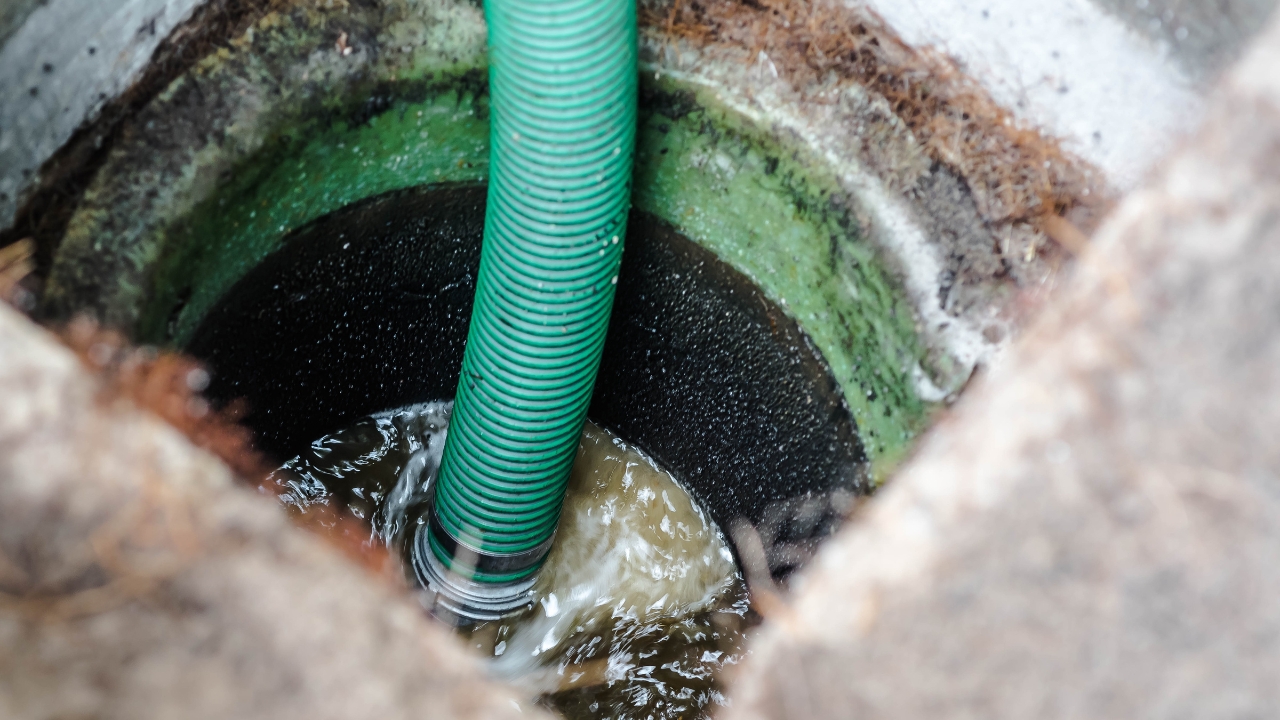
Knowing the difference between septic pumping vs repair in NY is one of the most valuable things a homeowner can understand about their property. Calling for the wrong service wastes time and money while the actual problem continues to develop beneath the surface.
We have been diagnosing and servicing septic systems throughout New York for over five decades, and the question of pumping versus repair comes up constantly. In this guide, we walk you through the key indicators for each scenario, explain how professionals determine the root cause, and give you the practical knowledge to make confident decisions about your system before calling for service.
Why Getting the Diagnosis Right Matters
A septic system that is showing symptoms could be signaling one of two very different problems. The first is a tank that simply needs to be emptied as part of normal maintenance. The second is a physical failure somewhere in the system that no amount of pumping will fix on its own.
The consequences of misidentifying the issue can be significant. A homeowner who pumps a tank that actually has a broken baffle or a failing drain field will see the same symptoms return within days or weeks. A homeowner who delays pumping because they assume they need a major repair may end up causing the very drain field damage they were hoping to avoid. Accurate septic system diagnosis is the essential first step that determines everything that follows.
Our team approaches every service call with a thorough assessment before recommending any course of action. That commitment to proper diagnosis is what separates reliable providers from those who default to the most expensive recommendation without fully evaluating the situation.
Signs That Your Tank Needs Pumping
Pumping is a routine maintenance service that every septic system requires on a regular cycle. It removes the accumulated layers of sludge and scum that build up inside the tank over time. When those layers reach a certain depth, the system begins to show recognizable symptoms that indicate it is time for a pump-out.
The following signs typically point to a tank that needs pumping rather than a system that has structurally failed:
- Slow drains in multiple fixtures throughout the home occurring simultaneously rather than in a single isolated location.
- Gurgling sounds coming from pipes or drains when water is running elsewhere in the house.
- Foul septic odors near indoor drains or outside around the area where the tank is buried.
- It has been three to five years since the last pump out, depending on your household size and tank capacity.
- A professional inspection reveals that the sludge layer occupies 25 to 30 percent or more of the total tank depth.
These symptoms on their own, without accompanying signs of physical system failure, almost always indicate that a standard pump out will resolve the issue. Once the tank is emptied, the system can resume normal operation and the symptoms should disappear within a short period.
Regular septic pumping services on a consistent schedule prevent these symptoms from ever reaching a point where they become disruptive. Homeowners who stay on top of their maintenance cycle rarely experience the kind of dramatic warning signs that indicate a tank has been pushed well past its limits.
Signs That Your System Needs Repair
Repair becomes necessary when the problem extends beyond a full tank and into the physical components of your septic system. Broken baffles, cracked pipes, clogged distribution boxes, and failing drain fields are all examples of structural issues that pumping alone will not resolve. In fact, pumping a system that has a physical failure may provide only temporary relief before the same symptoms return.
The following signs suggest your system may need repair rather than or in addition to a simple pump out:
- Sewage backing up into sinks, toilets, or bathtubs, especially if the tank was pumped recently and the backups returned quickly.
- Standing water, soggy patches, or foul-smelling liquid pooling in your yard, particularly in the area directly above the drain field.
- An isolated patch of unusually lush, vibrant green grass over the drain field during dry weather, which indicates nutrient-rich effluent is surfacing rather than absorbing properly into the soil.
- Water well testing that reveals elevated levels of nitrates or coliform bacteria, suggesting that untreated sewage is reaching your groundwater.
- Persistent odors inside the home that remain even after the tank has been professionally pumped.
These symptoms indicate that something beyond routine maintenance is needed. The system has likely developed a component failure that requires professional diagnosis and targeted repair to resolve. Continuing to pump without addressing the underlying structural issue will only delay the inevitable and, in some cases, make the eventual repair more extensive and expensive.
For properties undergoing more significant work or for families who want a more comfortable temporary option during extended repairs, a luxury event trailer provides a full-featured restroom experience that maintains a higher level of convenience and dignity throughout the disruption.
How Professionals Determine Which One You Need
The most reliable way to distinguish between a pumping need and a repair need is through a professional inspection that evaluates both the tank contents and the behavior of the surrounding system. Here is how that diagnostic process typically works.
When our technicians open the tank, they assess the layers of the sludge and scum using a professional measuring tool. If those layers are substantial and the rest of the system appears to be functioning as designed, the diagnosis is straightforward. The tank needs to be pumped, and normal function should resume once it is emptied.
However, if the sludge levels are within a normal range and liquid is not properly draining out of the tank into the soil, the problem lies elsewhere. This finding points to a clog in the outlet pipe, a damaged baffle, a failing distribution box, or a drain field that has lost its absorption capacity. In these cases, pumping may still be performed to clear the tank, but it will be accompanied by a repair recommendation to address the actual source of the problem.
This is why septic system diagnosis should always be performed by a licensed professional rather than attempted through guesswork. The symptoms of a full tank and a failing drain field can look nearly identical from the surface. Only a proper inspection of the tank contents and system components reveals which problem you are actually dealing with.
A Practical Septic Troubleshooting Guide
Before calling for service, it helps to observe and document what your system is doing so you can give your provider a clear picture of the situation. Use this septic troubleshooting guide as a starting framework when evaluating symptoms at your property.
Symptoms That Suggest Pumping
- Multiple slow drains throughout the home with no recent pump-out in the last three to five years.
- Mild septic odors outside near the tank area.
- Gurgling sounds in pipes during normal household water use.
- No visible pooling water or unusually lush grass over the drain field.
Symptoms That Suggest Repair
- Sewage backups occurring shortly after a recent pump-out.
- Standing water or wet patches in the drain field area.
- Bright green spongy grass over the drain field during dry periods.
- Persistent indoor odors that did not resolve after the last pump-out.
- Water quality test results showing bacterial or nitrate contamination.
Symptoms That May Indicate Both
- Sewage backups combined with a tank that has not been pumped in several years.
- Strong odors both inside and outside along with visible yard pooling.
- Multiple slow drains plus evidence of surface effluent near the drain field.
In the third scenario, the right approach is typically to pump first and then reassess the system once the tank is clear. If symptoms persist after pumping, the focus shifts to identifying and repairing the underlying structural issue.
The Cost Difference Between Pumping and Repair
Understanding the financial stakes involved in septic pumping vs repair in NY helps homeowners appreciate why proper diagnosis matters so much from a budget perspective. A standard pump out for a residential property typically costs between a few hundred dollars and is a predictable and manageable maintenance expense.
Septic repairs vary widely in cost depending on the nature and extent of the damage. Replacing a cracked baffle or clearing a clogged outlet pipe may cost a few hundred dollars, while a full drain field restoration or system replacement can run anywhere from several thousand to tens of thousands of dollars.
The gap between these numbers is substantial, and it underscores why catching problems early and maintaining a consistent service schedule is so financially important.
Homeowners who invest in regular maintenance and respond promptly to early warning signs almost always spend far less on their septic systems over time than those who delay service until a major failure forces their hand. The cost of staying on schedule is predictable and manageable. The cost of neglect is not.
Protecting Your Property During System Downtime
When your septic system is being serviced, repaired, or is temporarily out of commission, your household still needs access to functional sanitation facilities. For homeowners managing extended repairs or construction work related to their septic system, temporary solutions can provide continuity and comfort while the permanent system is being restored.
Renting a portable toilet during this period keeps your household functional and prevents any additional strain from being placed on a system that is already under stress.
Planning for temporary sanitation during a repair project is a detail that many homeowners overlook until they are already in the middle of the work. Thinking ahead about this aspect of your project timeline makes the entire process less stressful and more manageable for every member of your household.
Frequently Asked Questions
How do I know if slow drains are a pumping issue or a repair issue?
If multiple drains are slow simultaneously and the tank has not been pumped in three to five years, pumping is likely the solution. If slow drains persist after a recent pump out the issue is probably structural and repair is needed.
Can I pump my septic tank if it needs repair instead?
Pumping a system that needs repair will not fix the underlying problem, but it may provide temporary relief. A professional inspection will determine whether pumping alone is sufficient or whether additional repair work is required to address the root cause.
What does septic system diagnosis involve?
A licensed technician opens the tank and measures the sludge and scum layers. They also observe whether liquid is properly draining into the soil and inspect visible components like baffles and outlet pipes. This assessment determines whether pumping, repair, or both are needed.
How quickly will symptoms return if I pump a tank that actually needs repair?
If the system has a structural failure, symptoms can return within days or weeks of pumping. Recurring backups shortly after a pump out are one of the clearest indicators that repair work is needed rather than just routine maintenance.
Is septic pumping vs repair in NY always an either-or decision?
Not always. In many cases, both pumping and repair are needed together, especially when a neglected system has accumulated excessive waste while also developing a component failure. A thorough inspection will clarify whether one or both services are required for your specific situation.
The Right Call Starts With the Right Information
Understanding septic pumping vs repair in NY gives you the knowledge to respond appropriately when your system starts showing symptoms rather than guessing or delaying until the problem escalates. A well-informed homeowner is always in a better position to protect their property, make cost-effective decisions, and communicate clearly with their service provider about what they are experiencing.
When you need an honest assessment from a team with decades of hands-on experience, Superior Sanitation Services is ready to help you get to the bottom of any septic issue quickly and professionally. Whether your system needs a routine pump out, a targeted repair, or a comprehensive evaluation, we bring the expertise and integrity to give you the right answer the first time. Contact us today and let us take the guesswork out of your septic system diagnosis.

